
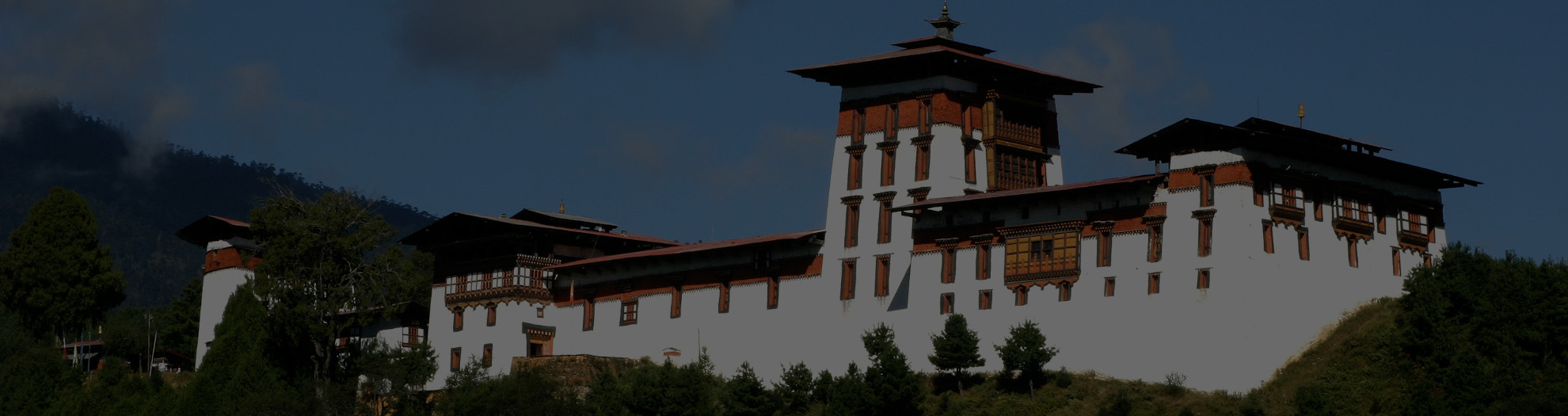
The Last Shangri-La
Hidden deep in the folds of the great Himalayan mountains for centuries, Bhutan opened its doors to tourism only in 1974. With a population of about 700,000 people living in close harmony with nature, Bhutan has evolved a unique identity derived largely from its rich religious and cultural heritage.
Today, the world is discovering the many exotic aspects of this mystical kingdom, where Gross National Happiness matters more than Gross Domestic Product.
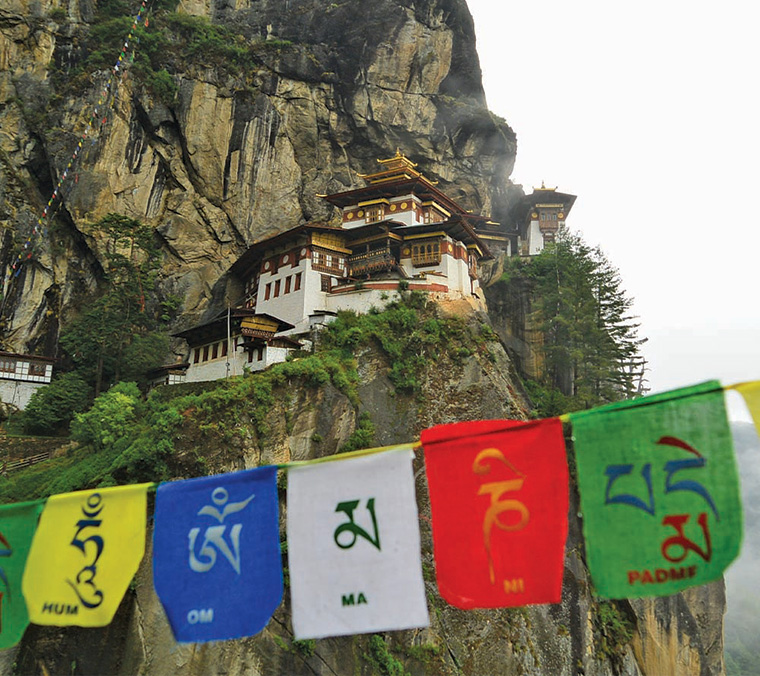 Tiger's Nest Monastery (Paro Taktsang)
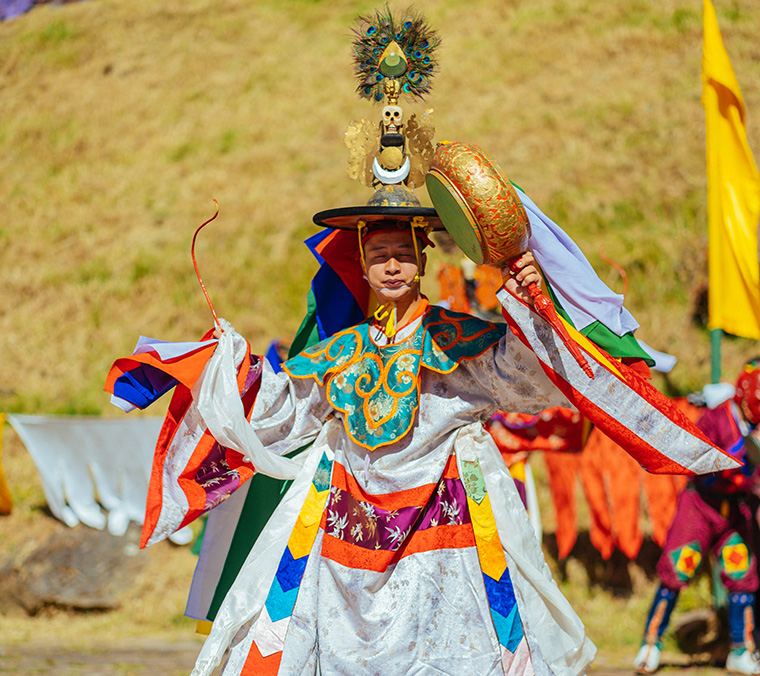 Traditional Cham Dance performed during festivals
A Kingdom of Culture
Bhutan is no longer a hermit kingdom. More than 100,000 tourists now travel to Bhutan annually, drawn by the kingdom's reputation for peace, tranquility, and its unique Buddhist culture.
According to Lonely Planet, Bhutan was ranked as the best country to visit, above England and North Macedonia. Visitors are also drawn by their admiration for the Royal Family, as Bhutan remains one of the few royal kingdoms in the world.
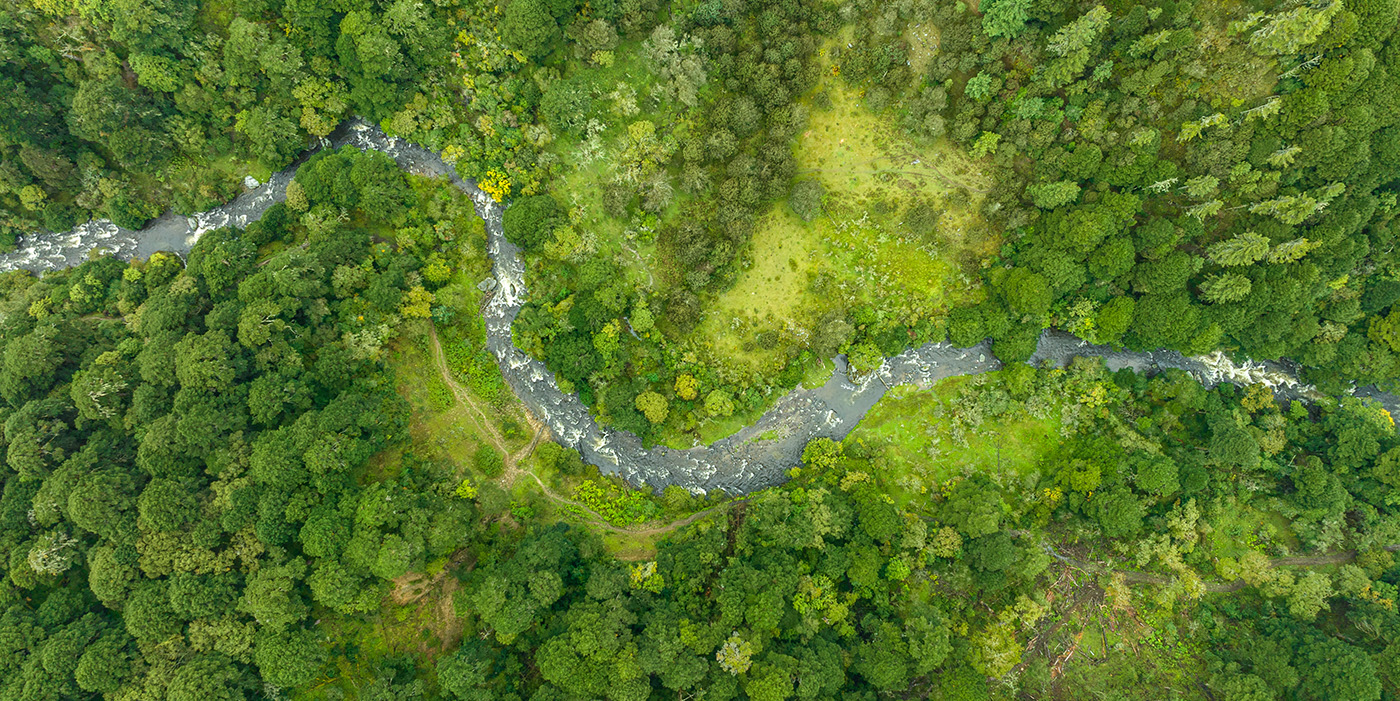 Pristine rivers flowing through the valleys
The World's Only Carbon-Negative Country
Bhutan has stepped onto the international stage as the first and only carbon-negative country in the world. With 72% of the country covered by forest (mandated by the constitution), Bhutan absorbs more carbon than it produces.
In 2016, volunteers set a Guinness World Record by planting 49,672 trees in just one hour. Nature enthusiasts visiting Bhutan often leave their memories in the form of tree plantation.
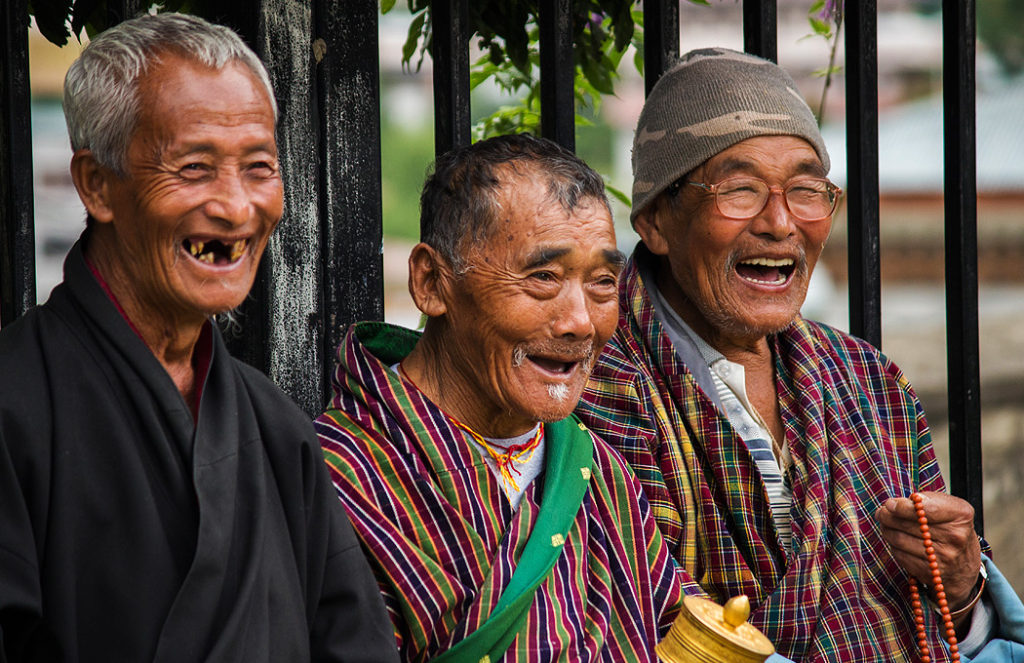 The warm hospitality of the Bhutanese people
A Living Heritage
Having remained isolated from the rest of the world for centuries, Bhutanese people take great pride in their rich culture, traditions, and ancient values.
Visitors can explore and experience this living heritage on a well-planned holiday with us as your travel planner.
We Wish You Happy Travels to Bhutan.
Tashi Delek!
Explore More About Bhutan
Gross National Happiness
Discover Bhutan's unique philosophy that prioritizes well-being over wealth.
Learn MoreGeography
From subtropical plains to snow-capped peaks above 7,000 meters.
Learn MoreWeather & Seasons
Four distinct seasons, each with its own beauty and charm.
Learn MoreNational Symbols
The Takin, Blue Poppy, Raven, and the Thunder Dragon.
Learn More