
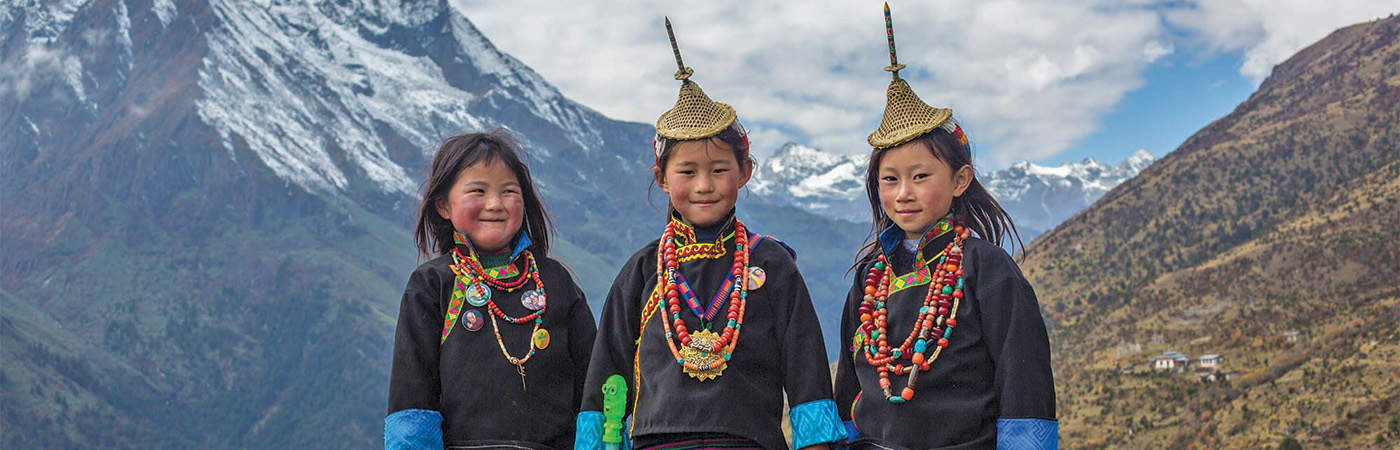
Laya-Gasa Trek is one of the most scenic long distance treks in Bhutan. The trek runs along the Tibetan border and offers amazing views of some of the most pristine and untouched landscapes in Bhutan. The trek begins at Drukgyel in Paro and takes you through serene alpine meadows and High Mountain passes with magnificent views of Mount Jomolhari, Jichu Drake and Tsherimgang.
The trek will traverse the remote semi-nomadic village of Laya. You will get to enjoy the unique culture and tradition of the indigenous people of Laya (Layaps). You will also see native animals such as blue sheep and Takins along the trail.
Trek Details
Duration: 14-16 Days
Max Elevation: 5,005m
Difficulty: Challenging
Best Season: April-June, September-November
Highlights
Laya Village & Layap Culture
Gasa Hot Springs
Mount Jomolhari (7,314m)
Jichu Drake (6,989m)
Tsherimgang (6,789m)
Blue Sheep & Takin Wildlife
Himalayan Marmots
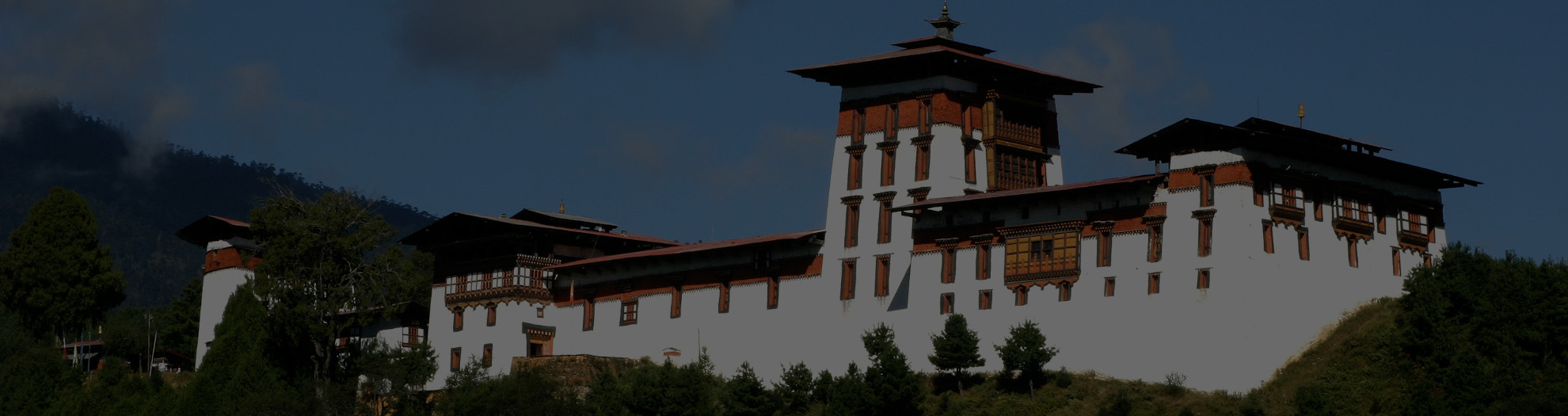
Your trek starts from the historic Drugyel Dzong (2,580m). Walk on a wide trail along the Pa Chhu river through countryside with rice paddies and fields of millet. Enter Jigme Dorji National Park at Gunitsawa army post.
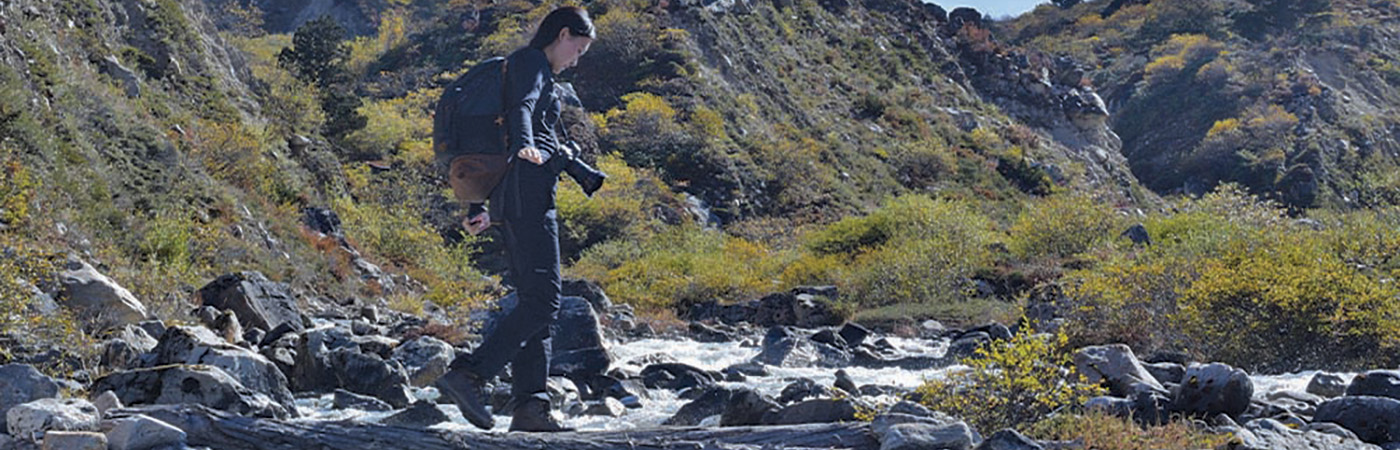
Follow the trail along the Pachhu river, ascending and descending through pine, oak and spruce forests. After crossing the bridge and rhododendron forests, reach camp amidst beautiful meadows.
Continue through stunning alpine landscapes toward Mount Jomolhari base. Camp at Jangothang with spectacular views of both Jomolhari and Jichu Drake.
Cross Nyele La pass (4,850m) with panoramic views of mountain peaks and Lingshi Dzong. You may encounter yak herder camps.
Gradual climb with spectacular views of Mount Gangkar Puensum, Bhutan's highest mountain. Descend to Chebisa village with traditional Bhutanese houses.
Pass through alpine meadows and rhododendron forests, crossing several streams and high passes to reach Shomuthang.
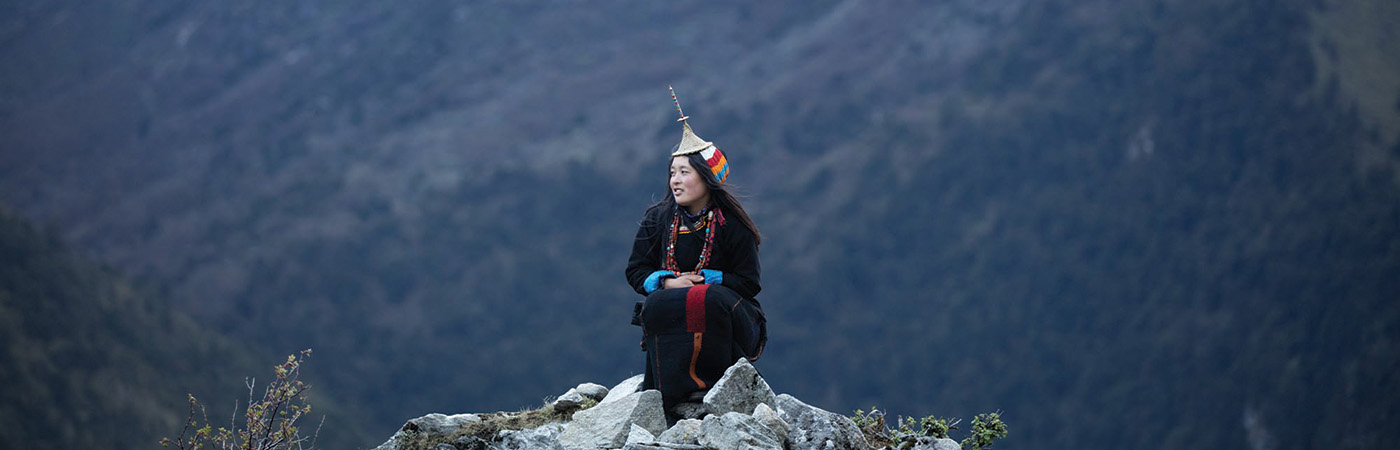
Reach the remote village of Laya, home to the indigenous Layap people known for their distinctive conical bamboo hats. Explore the village and interact with friendly locals.
Descend from Laya to Gasa for relaxation in the famous natural hot springs. Drive back to Punakha and onwards to Paro. Tashi Delek!
Included in Package
- Bhutan visa fee
- Government royalty & taxes
- Dedicated English speaking tour guide
- Dedicated tour vehicle and driver
- 3-star accommodation (twin sharing)
- Daily 3 meals (B/L/D)
- Airport transfers
- Bottled water
- Entry fees to parks and monuments
- Camping equipment
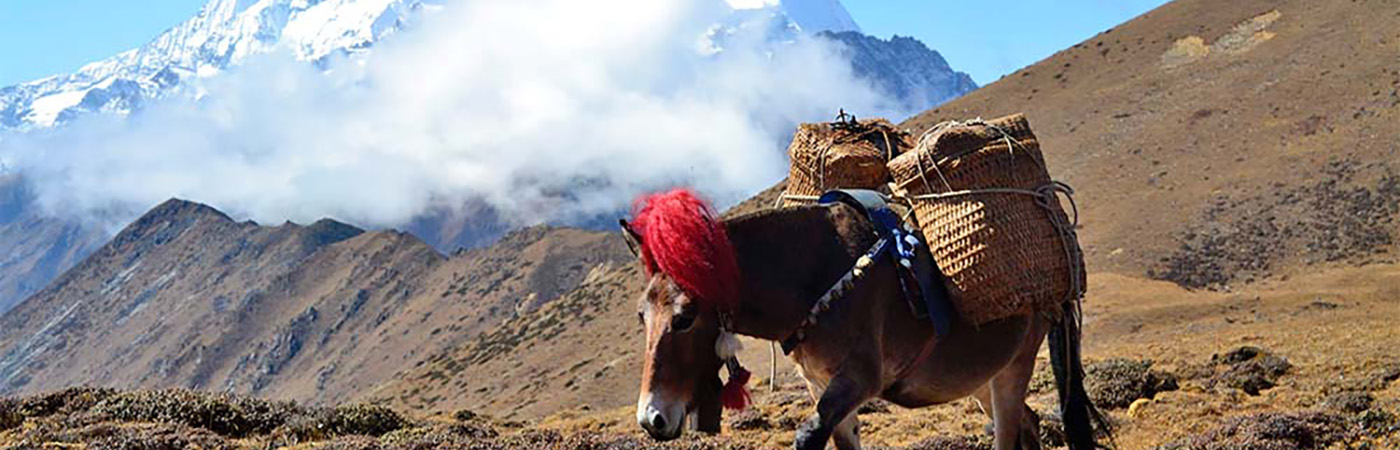
- Pack horses and horsemen
Not Included
- Personal expense/shopping
- Alcoholic beverages
- 4 or 5 star accommodation (extra charges apply)
- Travel insurance
- Tips for guide and driver
- Personal trekking gear
Essential clothing and equipment for your trekking adventure in Bhutan.
Headgear
- Warm beanie style hat – knitted or fleece
- Neck gaiter or scarf – useful for keeping dust out and as a warm layer
- Sun hat – preferably wide-brimmed for protection
- Sunglasses – high UV protection
- Headlamp (plus extra batteries)
Upper Body
- Thermal or fleece base layer (x1)
- Long sleeve shirt/t-shirt – light or medium weight, moisture wicking (x1)
- Short sleeved shirt/t-shirt – lightweight, moisture wicking (x2)
- Fleece or soft shell jacket (x1)
- Insulated jacket – down or primaloft
- Lightweight water/windproof hard shell outer jacket
- Gloves – lightweight, fleece or quick drying fabric
- Gloves or mittens – heavyweight, insulated, preferably water resistant
Legs
- Leggings – thermal or fleece base layer (x1)
- Trekking trousers – light or medium weight (x2) – convertible trousers work well
- Waterproof hard shell trousers – ski pants work fine (x1)
Feet
- Trekking boots – mid weight with good ankle support
- Training shoe or similar – to wear around camp
- Mid-weight trekking socks (x3 pairs)
- Breathable, high-wicking liner socks (x2 pairs)
- Thermal trekking socks for upper reaches of your trek (x1 pair)
Gear
- Small rucksack or daypack (30-40 litres) to carry water and personal items
- Waterproof duffle bag (approx 80-100 litres) – max weight 15kg including sleeping bag, carried by porter
- Sleeping bag (4 season or -10°C) and compression sack
- Insulated sleeping mat
- Trekking poles
- Water bottle or hydration bag – must be able to carry 1.5-2L of water
- Sunscreen high SPF
- Toiletries, including wet wipes and hand sanitiser
- Camera and spare batteries
- Plug adapter for charging devices in hotels
- Personal medication and first aid kit
- Personal snacks and energy bars – dried fruit and nuts are also a good source of energy
- Isotonic drink powder to mix with water – improves flavour and helps replace electrolytes
- Microfibre towel for wiping hands and face each day
- Ear plugs if you are a light sleeper
- Pee bottle – useful for late night toilet needs
- Dry bag (only required if your main duffle bag is not waterproof)
Ready for this adventure?
Book This Trek